Disclaimer: Please note that images or illustrations may differ from the actual products due to presentation reasons and are therefore non-binding. Technical changes and errors are excepted. For the most accurate information, contact our customer service team.
Leister VACUUM PLATE 300 Membrane Leak Testing Device

In Stock
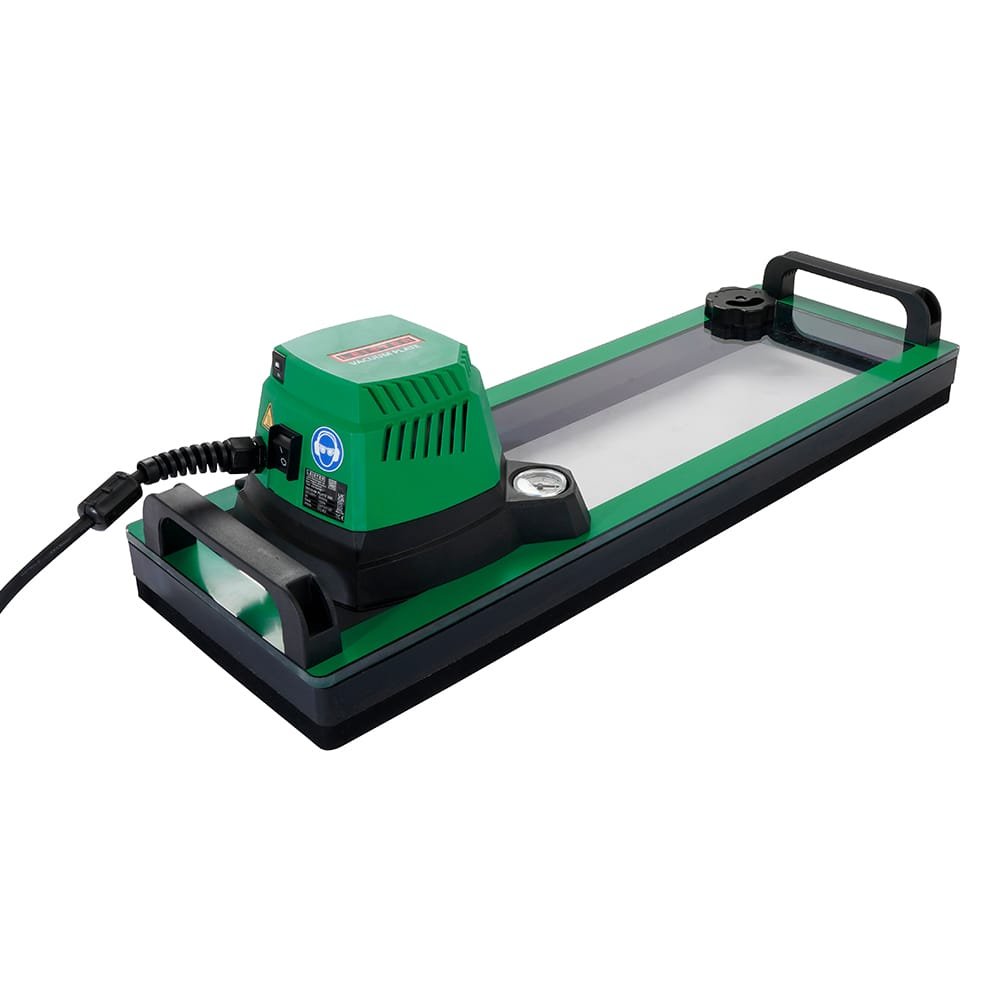
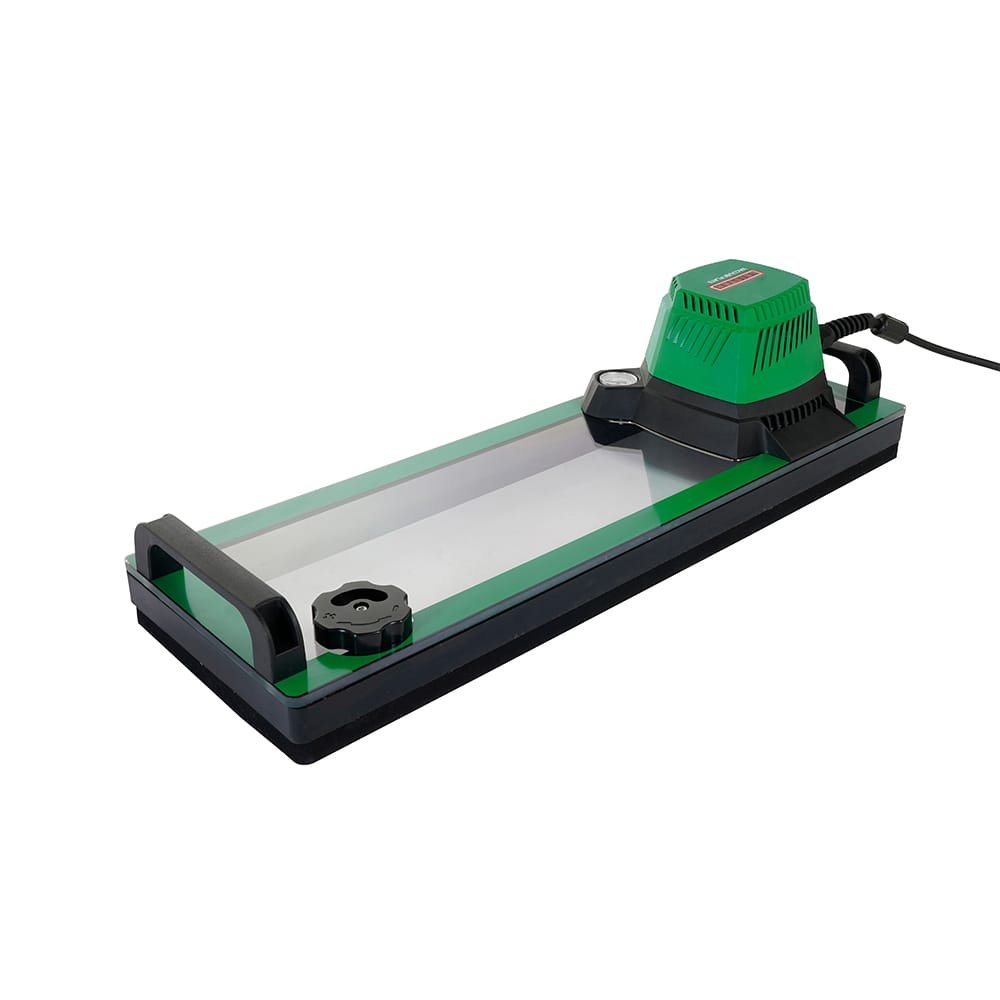
An on/off switch within easy reach, two large handles for comfortable two-handed carry and positioning, and no requirement for a separate vacuum pump make the VACUUM PLATE 300 a self-contained, single-operator vacuum leak testing instrument that can be carried to any position on a geomembrane or roofing installation and deployed immediately without auxiliary equipment setup.
- Self-contained 1100 W vacuum testing device – no separate vacuum pump required
- Vari-Flow ventilation valve for adjustable vacuum strength from 0 to 0.17 bar
- Flexible construction adapts to irregular ground and substrate profiles
- Transparent impact-resistant plastic for direct visual leak observation
- Tests HDPE, LDPE, PVC, TPO, FPO, and EPDM geomembranes and roofing membranes
- Two large handles for comfortable single-operator positioning and carry
- On/off switch within easy reach during active testing
- CE certified – 220-240 V, manufactured in Switzerland

Like this product?
Speak to an Expert!
08:00 AM - 08:00 PM
Leister VACUUM PLATE 300 - Self-Contained Vacuum Leak Testing Device for Geomembranes and Roofing Membranes
The Leister VACUUM PLATE 300 is a 1100 W self-contained vacuum leak testing device with an integrated motor generating up to 0.17 bar maximum vacuum – designed for detecting leaks in HDPE, LDPE, PVC, TPO, FPO, and EPDM geomembranes and roofing membranes in civil engineering and roofing applications – featuring a Vari-Flow adjustable ventilation valve for vacuum strength control, flexible membrane-adapting construction, transparent impact-resistant plastic body, dual handles for operator comfort, and an on/off switch within reach during testing, without requiring a separate vacuum pump.
Self-Contained Vacuum Leak Detection for Geomembranes and Roofing Membranes
Vacuum leak testing of geomembranes and roofing membranes serves a quality assurance function that is distinct from the destructive weld seam testing that peel and tensile testing instruments provide. Where peel and tensile testing verifies the mechanical strength properties of a weld sample, vacuum testing verifies the air-tightness of the installed membrane across a test area – detecting the through-thickness leak paths, unfused zones, and pinhole defects that would allow liquid migration through the membrane in service without requiring any sample to be cut from the installed liner. It is the non-destructive method that can be applied at any location across the membrane, at any point during installation, without damaging the material under test.
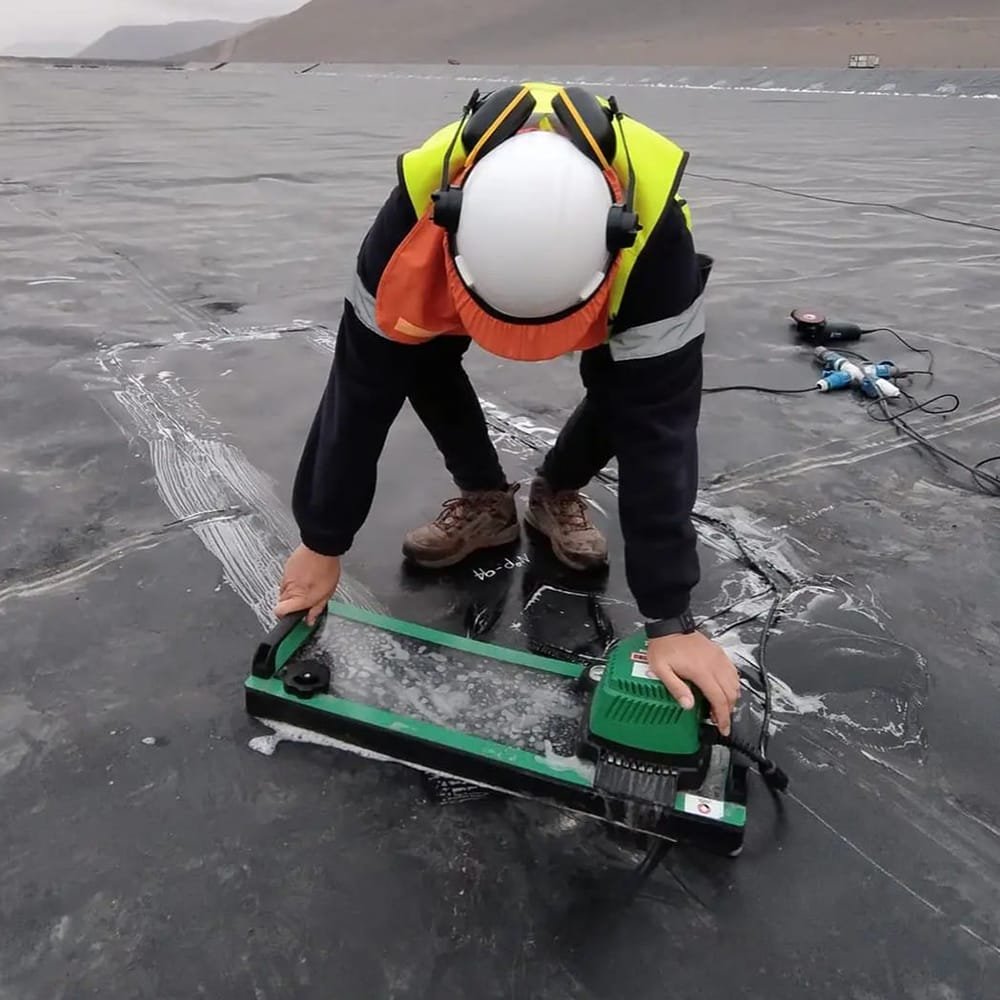
For vacuum testing to be practically deployable across large geomembrane installations and roofing projects, the testing instrument must be operable without a separate vacuum pump – eliminating the equipment management overhead and additional weight of carrying both a pump and a testing bell across active project sites. The VACUUM PLATE 300 integrates the vacuum motor within the testing device itself, making it a complete, self-contained testing instrument that the operator carries to the membrane surface, positions over the area to be tested, switches on, reads the manometer, and repositions to the next location – with no additional equipment to manage, connect, or carry. The Vari-Flow adjustable valve adds the parameter control that thin and sensitive membrane testing requires, and the flexible construction ensures vacuum seal integrity across the irregular substrate profiles that civil project sites and roofing surfaces routinely present. For quality control engineers and site inspectors across Oman and the GCC working on geomembrane liner and roofing membrane installations, the VACUUM PLATE 300 provides the testing capability and operational simplicity that systematic field leak detection demands.
VACUUM PLATE 300 Technical Capabilities and Field Testing Features
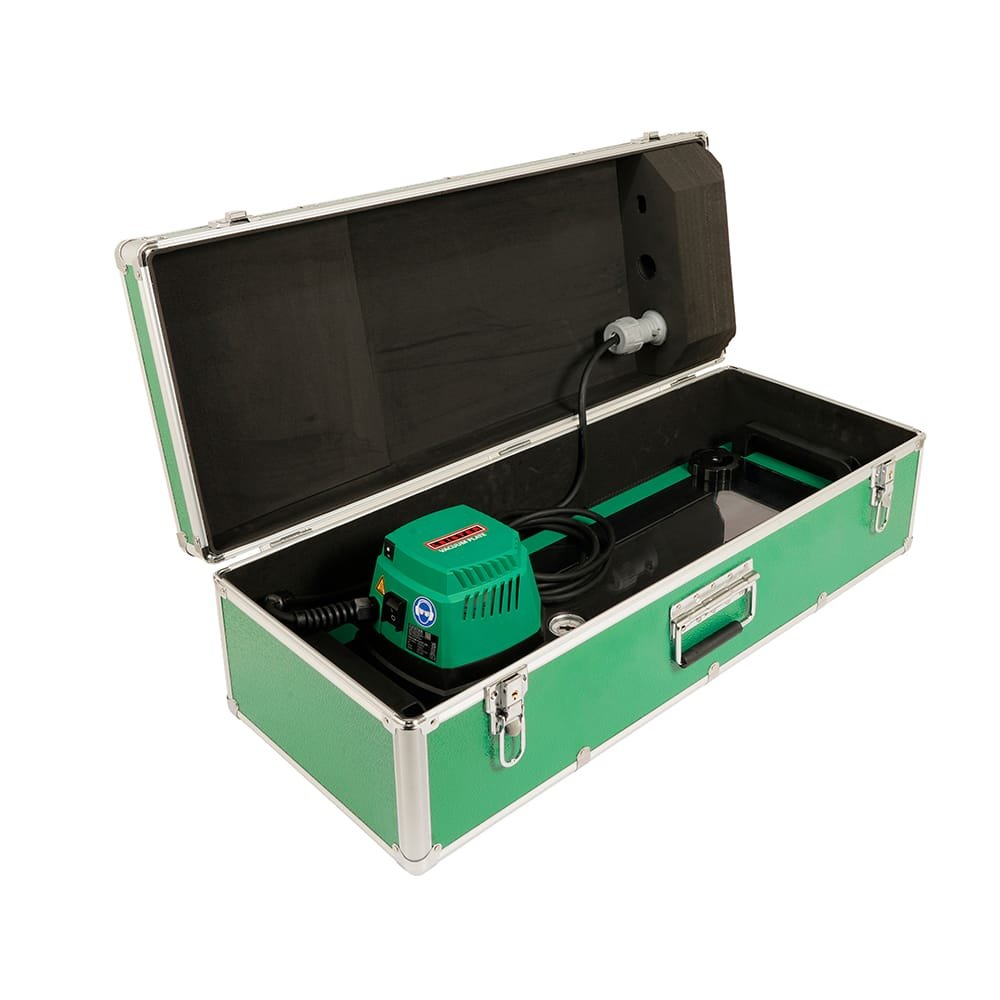
- Self-Contained Integrated Motor – No Separate Vacuum Pump Required: The VACUUM PLATE 300 incorporates a 1100 W motor within the device body that generates the vacuum required for membrane leak testing without a separate pump unit – eliminating the need to carry, connect, and manage a vacuum pump alongside the testing device on site. The operator carries one instrument, connects power, switches on, and tests: the complete vacuum testing capability is contained within the single device.
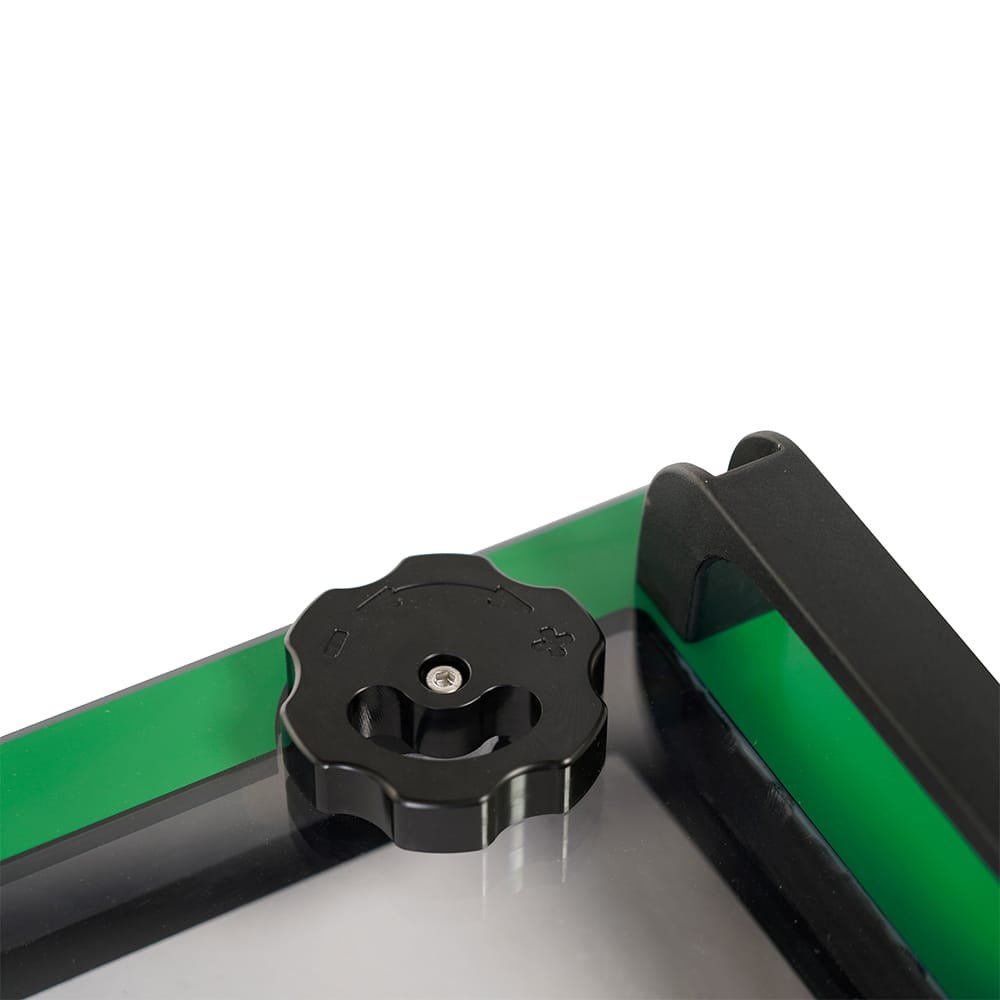
- Vari-Flow Adjustable Ventilation Valve for Variable Vacuum Strength: The ventilation valve allows the operator to adjust the vacuum strength applied to the membrane under test – from maximum 0.17 bar down to the lower vacuum levels appropriate for thin or sensitive membrane materials where full vacuum could cause membrane distortion or seam edge disturbance that affects both the test validity and the membrane surface condition. This adjustability makes the VACUUM PLATE 300 suitable for the full range of membrane thicknesses and material types it is specified for, rather than requiring a fixed vacuum level that may be unsuitable for thinner membranes.
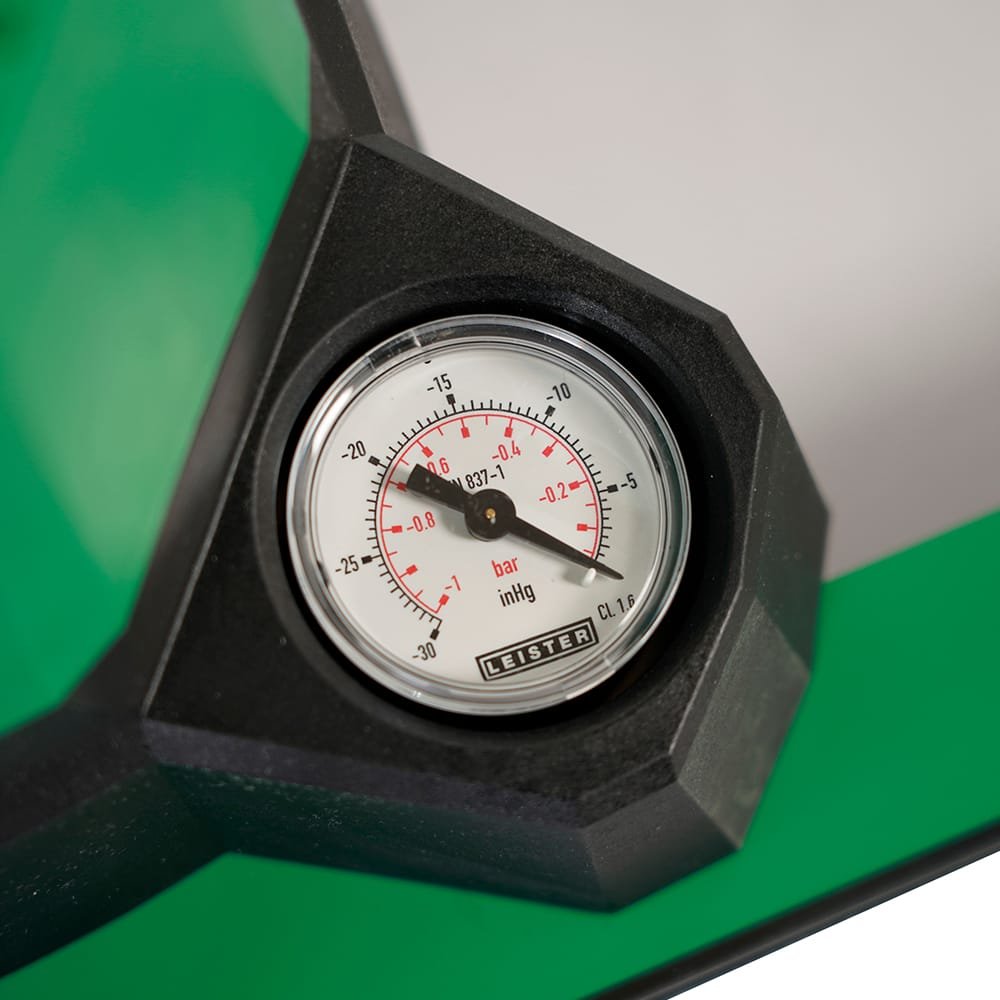
- Maximum Vacuum of 0.17 bar with Bar and inHg Manometer: The integrated manometer displays vacuum level in both bar and inHg units, enabling test results to be read and recorded in the unit required by the project quality assurance standard or specification – accommodating both metric and imperial pressure unit conventions in the format appropriate to each specific project documentation requirement.
- Flexible Construction for Adaptation to Irregular Ground Profiles: The VACUUM PLATE 300’s flexible body construction allows the device to conform to the surface profile of the membrane and substrate beneath it – maintaining perimeter seal contact across the minor surface irregularities, membrane wrinkles, and substrate undulations that occur on active geomembrane installation areas and roofing surfaces, ensuring vacuum integrity and valid test results across the range of real-world surface conditions the instrument encounters in field use.
- Transparent Impact-Resistant Plastic for Visual Leak Observation: The transparent body allows the operator to observe the membrane surface within the test footprint during vacuum application – providing direct visual detection of bubble formation, membrane lifting, or seam disturbance that indicates an active leak path at the tested location, supplementing the manometer pressure reading with the visual evidence that confirms both the presence and the approximate location of a seam defect for remediation marking.
- Broad Membrane Material Compatibility: Tests HDPE, LDPE, PVC, TPO, FPO, and EPDM geomembranes and roofing membranes – covering the primary thermoplastic membrane materials specified for civil geomembrane liner installations and flat roofing waterproofing systems across Oman and the GCC within the single instrument configuration, without requiring material-specific testing equipment or vacuum parameter adjustment beyond the Vari-Flow valve setting for each membrane type.
- Two Large Handles for Operator Comfort and Positioning Control: The two large handles allow the operator to carry the VACUUM PLATE 300 comfortably across the inspection area and position it with two-handed control at each test location – providing the stability and placement accuracy that consistent vacuum seal engagement requires when positioning a 7.7 kg instrument repeatedly across large membrane installation areas throughout an inspection session.
- On/Off Switch Within Easy Reach During Testing: The switch is positioned for access without releasing the device handles during active testing – allowing the operator to control the motor without repositioning their grip or interrupting the test sequence at each position. This ergonomic detail reduces the total time and physical effort of the repeated switch-on, test, switch-off cycle that systematic membrane area inspection across a large installation requires.
- Robust Seal for Consistent Vacuum Integrity Across Field Use: The perimeter seal maintains vacuum-tight contact with the membrane surface across the repeated positioning and repositioning cycles of intensive field inspection programmes – resisting the seal wear and contact surface degradation that reduce vacuum integrity and introduce test result inconsistency when testing instruments are used extensively across large geomembrane installations without seal performance maintenance.
Geomembrane and Roofing Membrane Vacuum Leak Testing Applications in Oman and the GCC
- Geomembrane Liner Area Leak Detection on Civil Construction Sites: Tests HDPE, LDPE, TPO, and FPO geomembrane liner areas for through-thickness defects, pinhole leaks, and membrane damage on landfill containment, reservoir lining, and civil environmental barrier installations across Oman and the GCC – providing non-destructive area leak detection across the installed liner surface rather than testing only at weld seam locations, enabling broader quality coverage of the membrane installation.
- Flat Roofing Membrane Leak Detection on TPO, PVC, and EPDM Roofs: Applies vacuum testing to flat roofing membrane areas and seam sections on TPO, PVC, and EPDM roofing systems – detecting membrane punctures, weld seam defects, and interface gaps that create leak paths through the waterproofing layer before the roof is commissioned or before rooftop finishes are applied over the membrane, enabling identification and remediation of defects while access remains straightforward.
- Thin Membrane Testing with Reduced Vacuum via Vari-Flow Valve: The adjustable Vari-Flow valve enables the VACUUM PLATE 300 to test thin geomembrane and roofing membranes at reduced vacuum levels that do not stress the thin material under the test area – making it appropriate for the lighter-weight membrane specifications used in civil pond lining, roofing detail areas, and other applications where full 0.17 bar vacuum would cause membrane disturbance before a genuine leak path is confirmed.
- Post-Installation Quality Verification on Geomembrane Civil Projects: Supports the systematic post-installation quality inspection programme on civil geomembrane installations – providing a self-contained, portable non-destructive testing instrument that quality engineers can deploy immediately at any membrane location on the installation area without requiring auxiliary pump equipment, enabling rapid progression through the inspection point sequence before formal project acceptance.
- Roofing Quality Assurance and Pre-Commissioning Membrane Inspection: Used on flat roofing installations across Oman and the GCC for pre-commissioning membrane quality verification – testing PVC, TPO, and EPDM roofing membrane areas and seam sections to confirm leak-free integrity before the roofing system is put into service or before overburden materials, ballast, or rooftop finishes are placed over the membrane installation.
Leister VACUUM PLATE 300 – Available Through iBuild, Authorised Leister Distributor in Oman
iBuild is an authorised Leister distributor in the Sultanate of Oman, providing civil engineering contractors, geomembrane installation teams, roofing contractors, and quality control engineers with direct access to the VACUUM PLATE 300 (230 V, article 169.580) alongside the full range of Leister geomembrane and roofing quality assurance instruments – including the VACUUM BELL and VACUUM BOX for weld seam vacuum testing with separate pump, and the Leak Tester for test channel pressure testing. As a manufacturer-authorised technical partner, iBuild supports instrument selection for specific membrane testing programme requirements and provides the technical guidance that ensures the VACUUM PLATE 300 is correctly configured – including Vari-Flow valve setting for specific membrane materials and thicknesses – within the project quality assurance framework.
For civil engineering contractors, geomembrane installation specialists, and roofing contractors across Oman and the GCC requiring a self-contained, portable vacuum leak testing instrument that detects membrane defects across HDPE, LDPE, PVC, TPO, FPO, and EPDM materials without requiring a separate vacuum pump, and that adapts to irregular substrate profiles while providing adjustable vacuum strength for thin membrane testing, iBuild is the authorised local source for the Leister VACUUM PLATE 300 – backed by manufacturer authority and in-country technical support.
Technical Data
| Article Number | 169.580 |
| Voltage | 220 – 240 V |
| Frequency | 50/60 Hz |
| Power | 1100 W |
| Max. Vacuum | 0.17 bar |
| Manometer Scale | bar, inHg |
| Length | 750 mm |
| Width | 250 mm |
| Height | 200 mm |
| Weight | 7.7 kg |
| Power Cable Length | 3 m |
| Plug | EU, 3 poles, 16A |
| Approvals | CE |
| Protection Class | II |
| Country of Origin | Switzerland |

Like this product?
Speak to an Expert!
08:00 AM - 08:00 PM
Recommended for you
Popular Brands
View All